
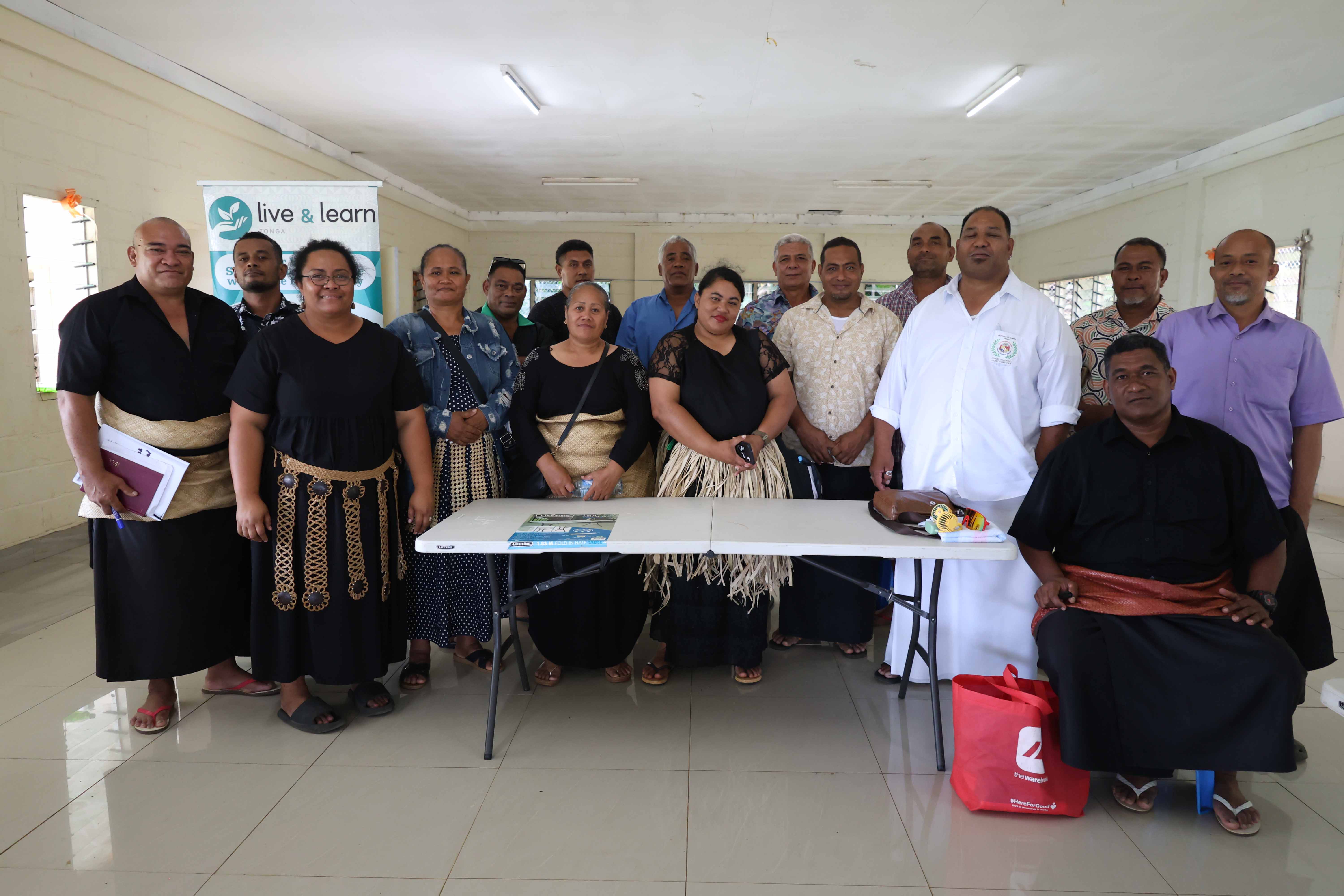
The WASH Project is a nationwide initiative focused on improving access to clean water, safe sanitation, and hygiene education in underserved rural communities across Tonga. Implemented across three islands—Vava’u, Ha’apai, and Niuafo’ou—the project directly supports 42 target communities that face water scarcity, poor sanitation infrastructure, and health risks linked to inadequate hygiene services. This project prioritizes vulnerable households and communities by delivering practical solutions such as water system upgrades, toilet construction, and behavior change education. It is designed to build both immediate improvements in living conditions and long-term resilience to water-related challenges, including those worsened by climate change. The WASH Project is guided by a community-led approach, empowering local leaders, water committees, and residents to take ownership of their systems and sustain progress through training and ongoing support.

Community Members

Community Water Committees

WASH Sector Stakeholders
Our WASH Project delivers clean water, improved sanitation, and hygiene awareness where it’s needed most. Working across 42 rural communities in Vava’u, Ha’apai, and Niuafo’ou, we focus on building practical, sustainable systems that promote health, dignity, and community wellbeing. Our work includes: Upgrade community water systems, including tanks, pipes, and catchment infrastructure; Build or rehabilitate household toilets for safe sanitation access; Deliver hygiene education sessions focused on handwashing, safe water use, and menstrual hygiene; Train local water committees and households in system maintenance and water safety; Engage women, youth, and marginalized groups in every stage of the planning and implementation process. By placing communities at the center of our work, we ensure solutions are not only effective—but owned and maintained for the long term.
2022 - 2025
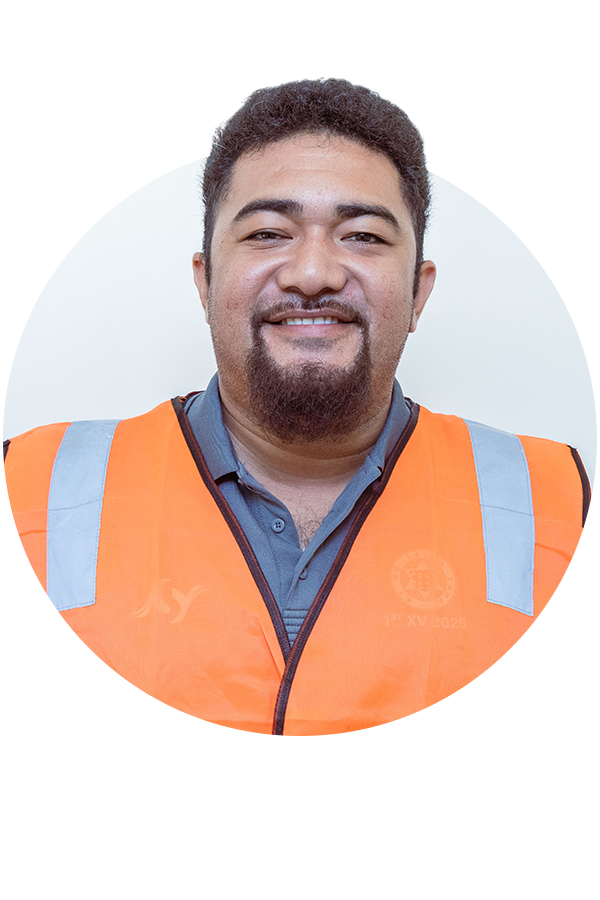
HR&Communication Manager
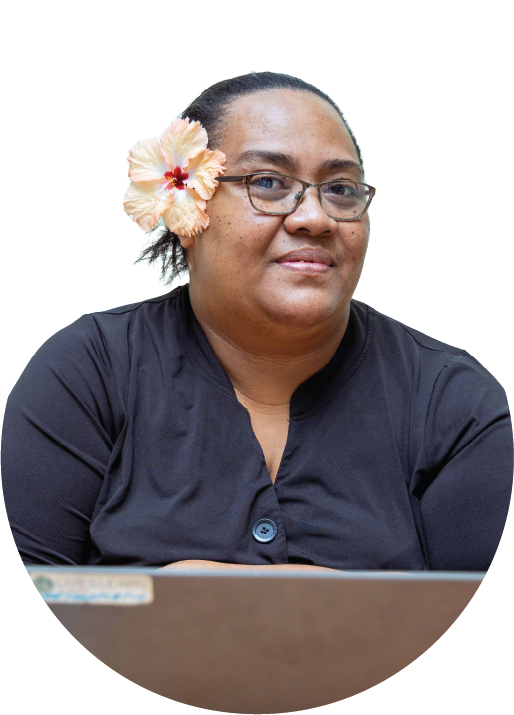
Project Coordinator / Wash & EU
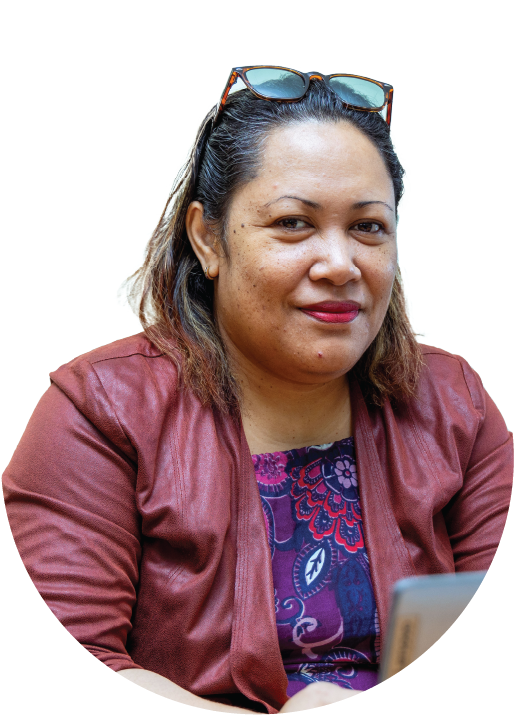
Project Coordinator / WASH Institute

Project Officer IFAD