
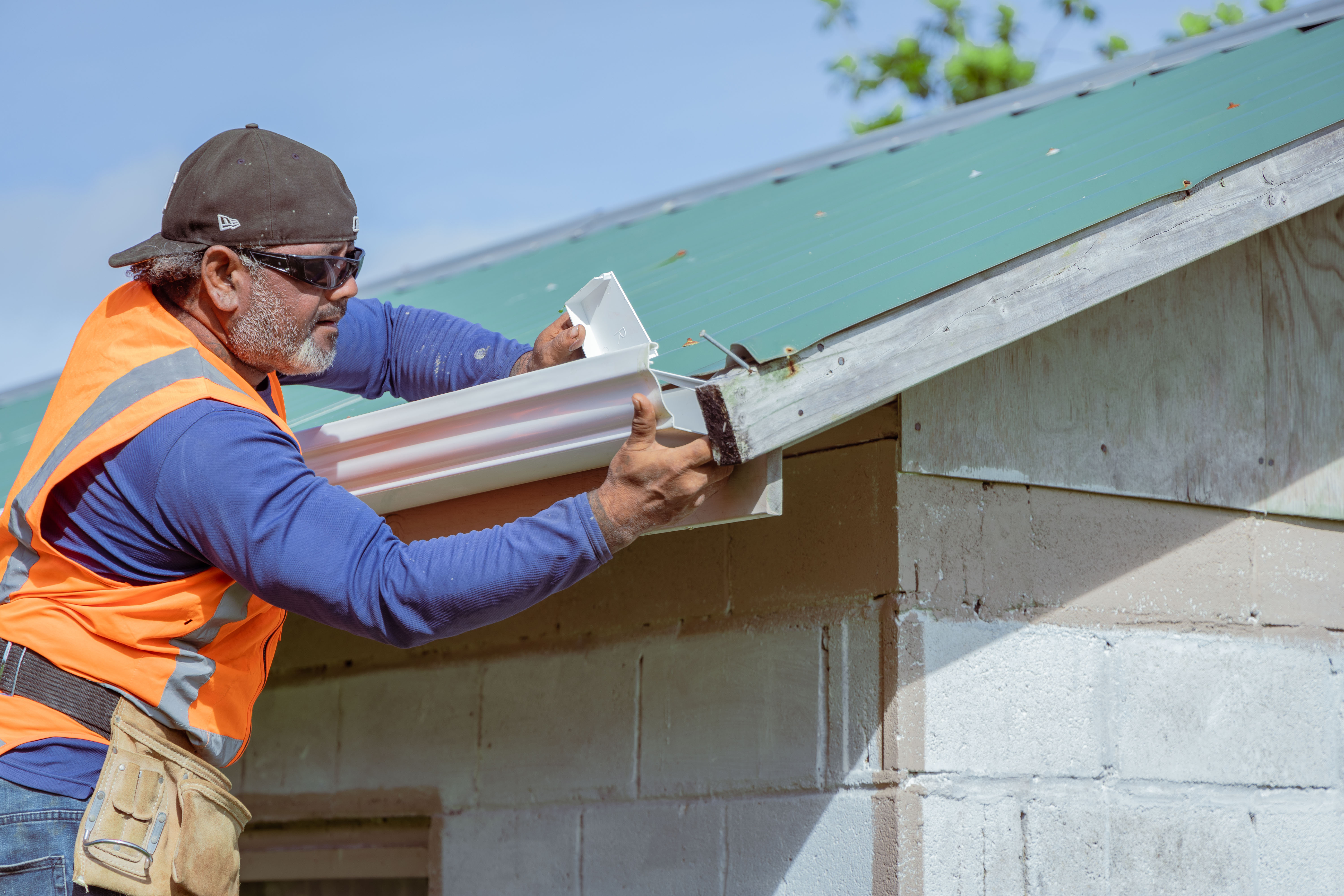
While rainwater harvesting coverage across Tonga is structurally high, "safely managed" sanitation remains a critical, climate-exposed vulnerability. Rising sea levels and frequent storm surges cause traditional septic tanks to fail routinely. This failure directly contaminates the vital underground freshwater lenses that 40% of the population relies upon as a baseline survival reserve during severe droughts. TRIWSA deliberately shifts the paradigm away from short-term "disaster response" toward permanent, systemic adaptation. By targeting the intersection of the sanitation-groundwater nexus, the project upgrades infrastructure to withstand severe climate shocks while simultaneously empowering local communities to independently manage and protect their long-term water security.

International Donors & Development Partners

Tongan Government Officials & Local Authorities
Community Leaders & Local WASH Managers
TRIWSA is structured around upgrading infrastructure and shifting local capacity from reactive disaster response to proactive, long-term climate adaptation: Infrastructure Transformation: Upgrading vulnerable water and sanitation infrastructure to ensure it can withstand severe climate shocks, rising sea levels, and storm surges. Groundwater Protection: Directly targeting the sanitation-groundwater nexus to prevent failing septic tanks from contaminating vital underground freshwater lenses. Community Empowerment: Building independent local capacity to manage, monitor, and protect community water security over the long term. Action Plan & Key Pillars 1. Climate-Resilient Sanitation Upgrades System Retrofitting: Replacing traditional, flood-prone septic tanks with raised or completely sealed sanitation systems to stop effluent leaching. Aquifer Safeguarding: Mapping and isolating vulnerable coastal zones to prevent untreated wastewater from infiltrating public aquifers and fragile ecosystems. Environmental Protection: Eliminating public health hazards and driving down ecosystem degradation caused by accelerating King Tides and saltwater intrusion. 2. Strategic Water Security & Adaptation Paradigm Shift: Moving away from short-term emergency water trucking and immediate disaster response toward permanent, built-in structural resilience. Baseline Preservation: Protecting the underground freshwater lenses that 40% of the population relies upon as a critical survival reserve during severe droughts. Complementary Management: Integrating these groundwater protection strategies alongside Tonga's structurally high rainwater harvesting coverage to establish a multi-layered water security safety net.
5 Years (July 2026 – June 2031)


Project Coordinator / Wash & EU